
Every wear component that comes off a paste line has a story written into it, and it is not the story of the part. It is the story of the position.
The bore does not open evenly
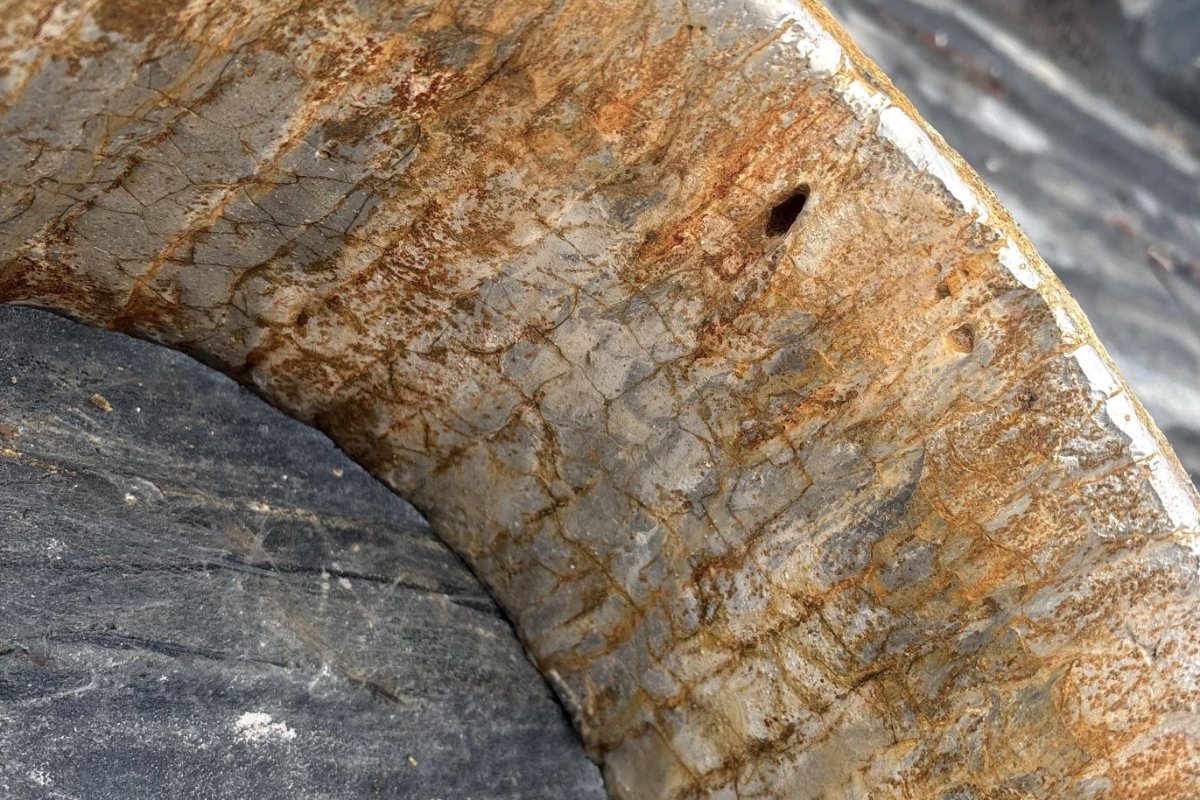
Look down the bore of a worn elbow, reducer or spool and the first thing you notice is that the wear is not uniform. The wall opened where the flow worked it: the outside of the bend on an elbow, the taper and the run just downstream of it on a reducer, the length behind a joint where a step or a slight misalignment sent the slurry into the wall. On a slow run, the invert goes first where solids settle and drag. Where the wall finally perforated is the deepest point of that pattern — the exact spot where the position eats steel fastest.
None of that is random and none of it is about the component. Put an identical part in the same station and the flow will do the same work in the same places on roughly the same clock. That is why a changeout interval on a given position tends to be so repeatable: the drawing describes an envelope, and the position decides how the steel inside it gets spent.
Why the replacement wears on the same schedule
The replacement on the shelf is built to the same drawing as the one that just wore through. Same wall, same deposit, same distribution of both around the bore. So it goes into a position that has already demonstrated exactly where it consumes steel, carrying steel distributed as if that were unknown.
The information that would change the next part is on the removed part and nowhere else. It is not in the drawing, not in the catalogue, and not in the requisition. When the worn component goes into the scrap bin, the position's wear record goes with it, and the next order is placed off the same drawing.
What sectioning gives you
A worn part read by eye tells you where it failed. A worn part sectioned and measured tells you everything else: how much deposit is left around the circumference at each station along the length, where the deposit is gone, and — just as useful — where it was never touched.
Laid out as a map of the bore, two things stand out. There is a zone where the deposit was consumed, usually narrower than people expect and always in the same place for a given geometry and duty. And there is deposit elsewhere on the same part that the position never needed — steel that was paid for and shipped and did no work.
That map is the position's wear signature. It is specific to the geometry, the size, the duty and the station, and it is the only measurement that says where the next part should carry more deposit and where it does not need to.
What changes on the next run, and what doesn't
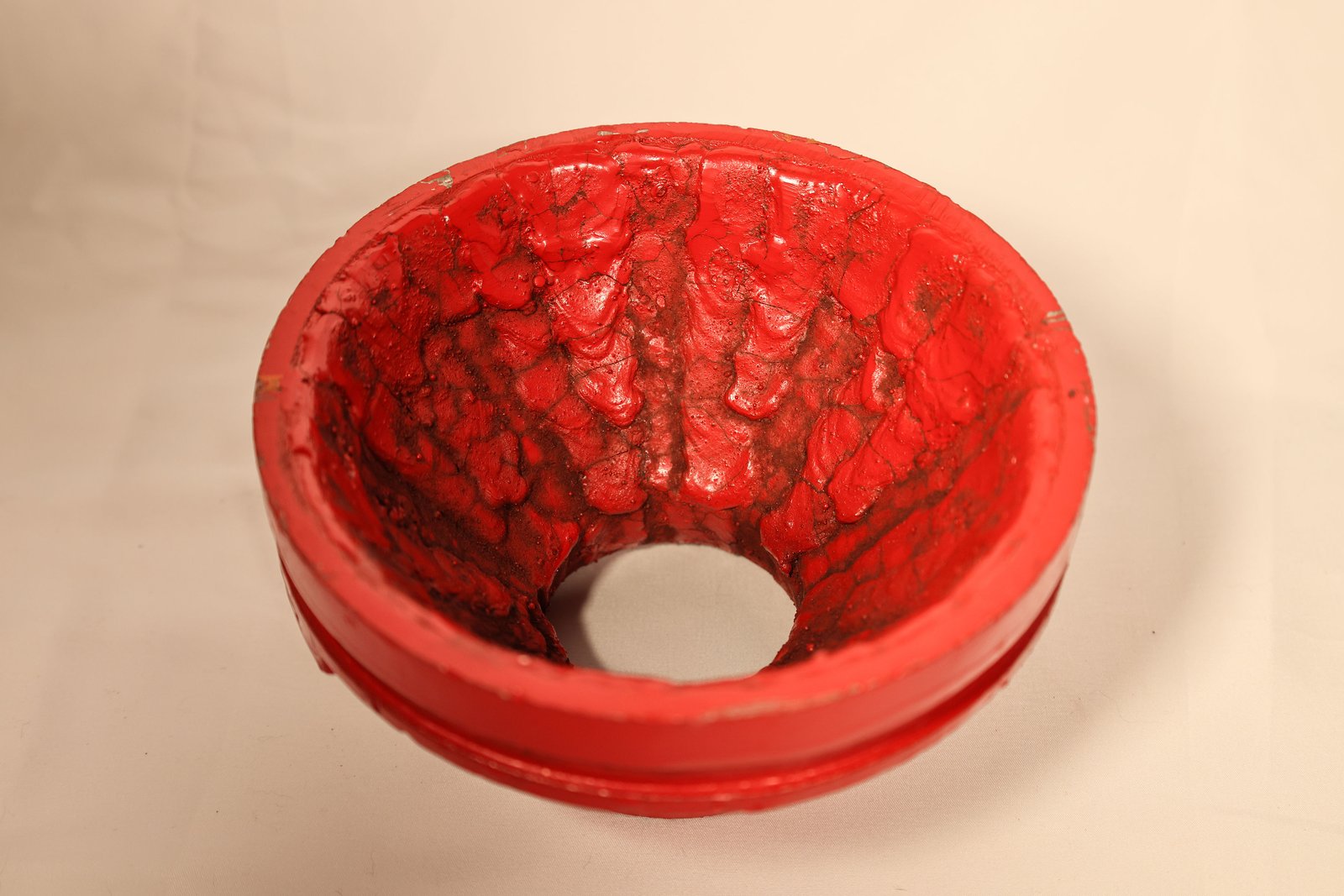
This is what Return & Reinforce does with the map. The removed component comes back to OPC, is sectioned and measured, and the next production run of that part number carries more deposit exactly where this one opened up.
What changes: the distribution of deposit inside the bore.
What does not change: the part number, the envelope, the fit, the drawing your requisition points to. Nothing in the crib, the catalogue entry or the purchase order has to be touched. The part simply stops wearing out on the same schedule, because for the first time it was built for the position instead of for the drawing.
No line, no contract, no trial protocol. It starts with one component.
What to send
One removed part. Ideally the one that came off the position that changes out most often, because that is where the map pays back fastest.
With it, whatever the maintenance record already holds: the part number or the position it came from, and the dates it went in and came out. If the record has a tonnage or a slurry figure for that interval, that helps; if it doesn't, the part still reads.
Two practical points. Photograph the bore before it ships — one frame straight down each end — so there is a record of the as-removed condition independent of transport. And do not clean it up; scale, staining and the polish line where the flow ran are all part of what gets read.
What comes back
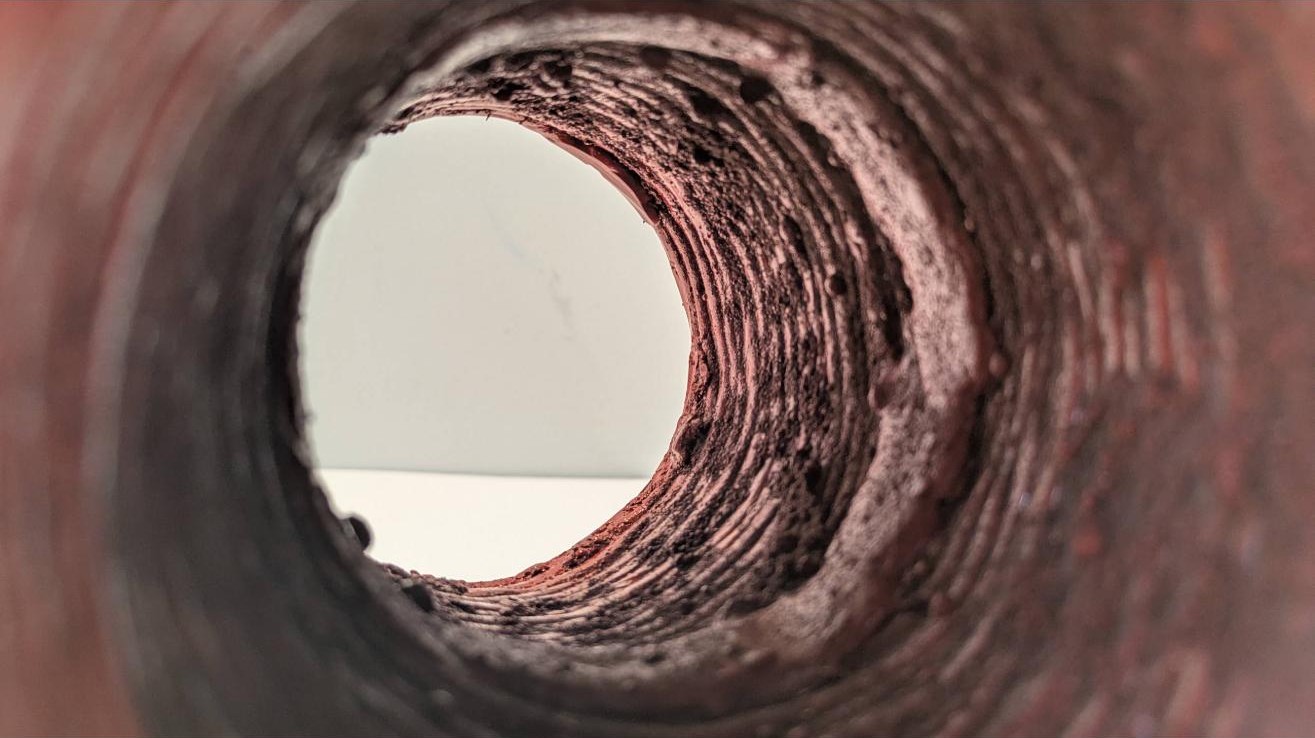
A short report on that one part: where the deposit went, where it didn't, and what the next run of that part number will carry differently. Then the next part, built to it.
One removed part, one position, one report. That is the whole starting point.
How the program works, step by step: Return & Reinforce. The components it applies to: Hrd67.